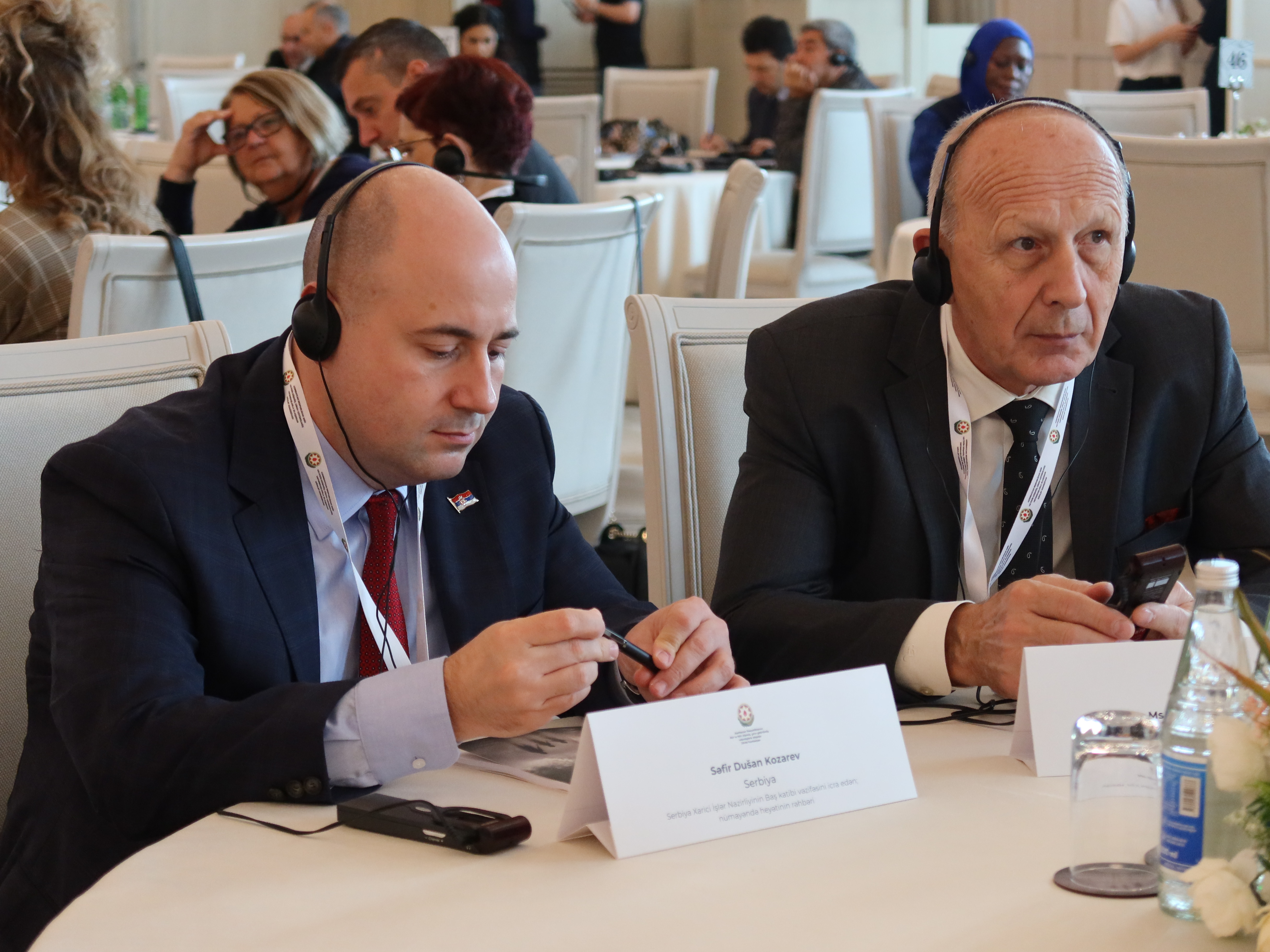

Kozarev in Baku: Serbia Remains Committed to Efforts to Determine the Fate of Missing Persons
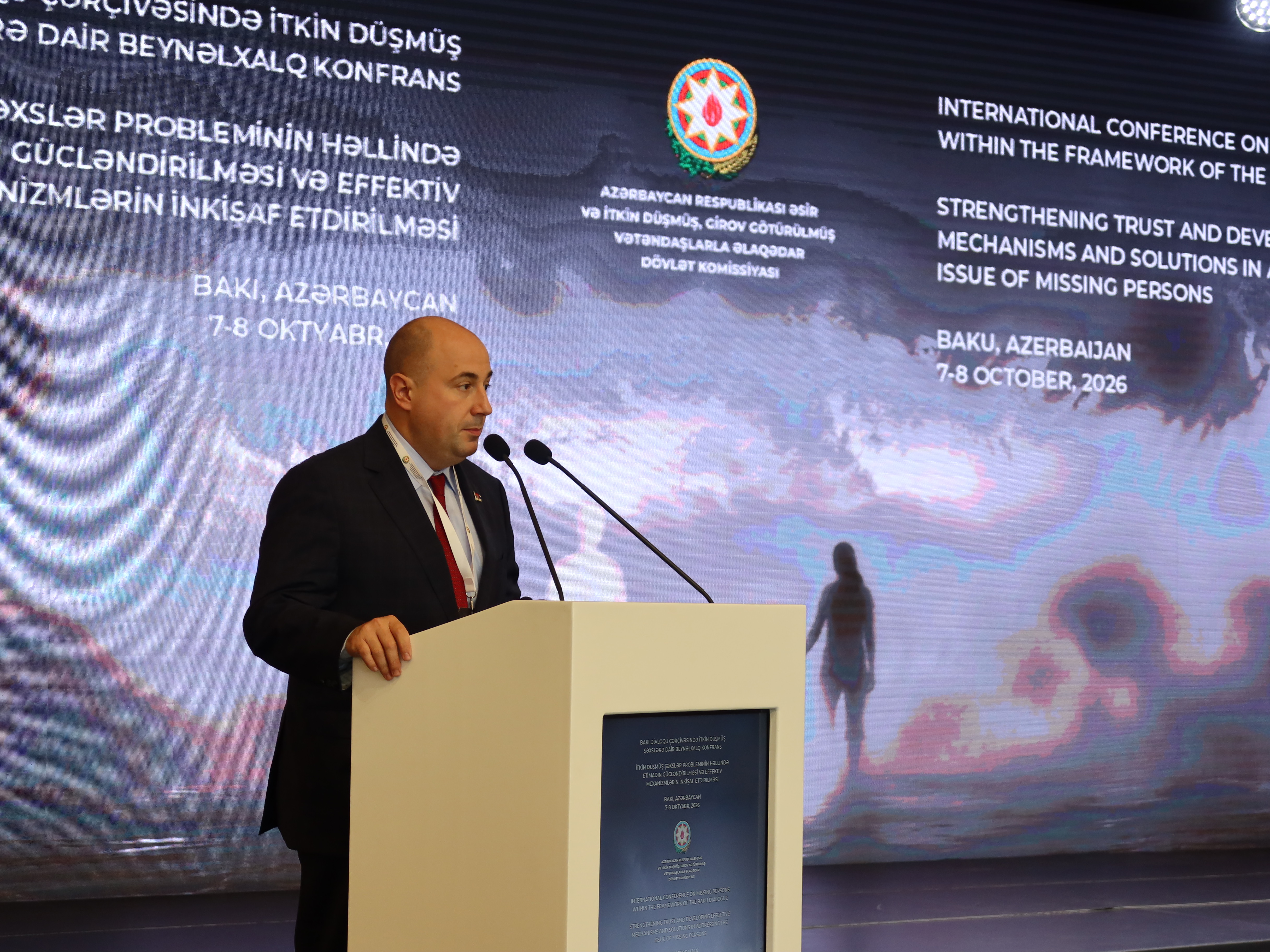
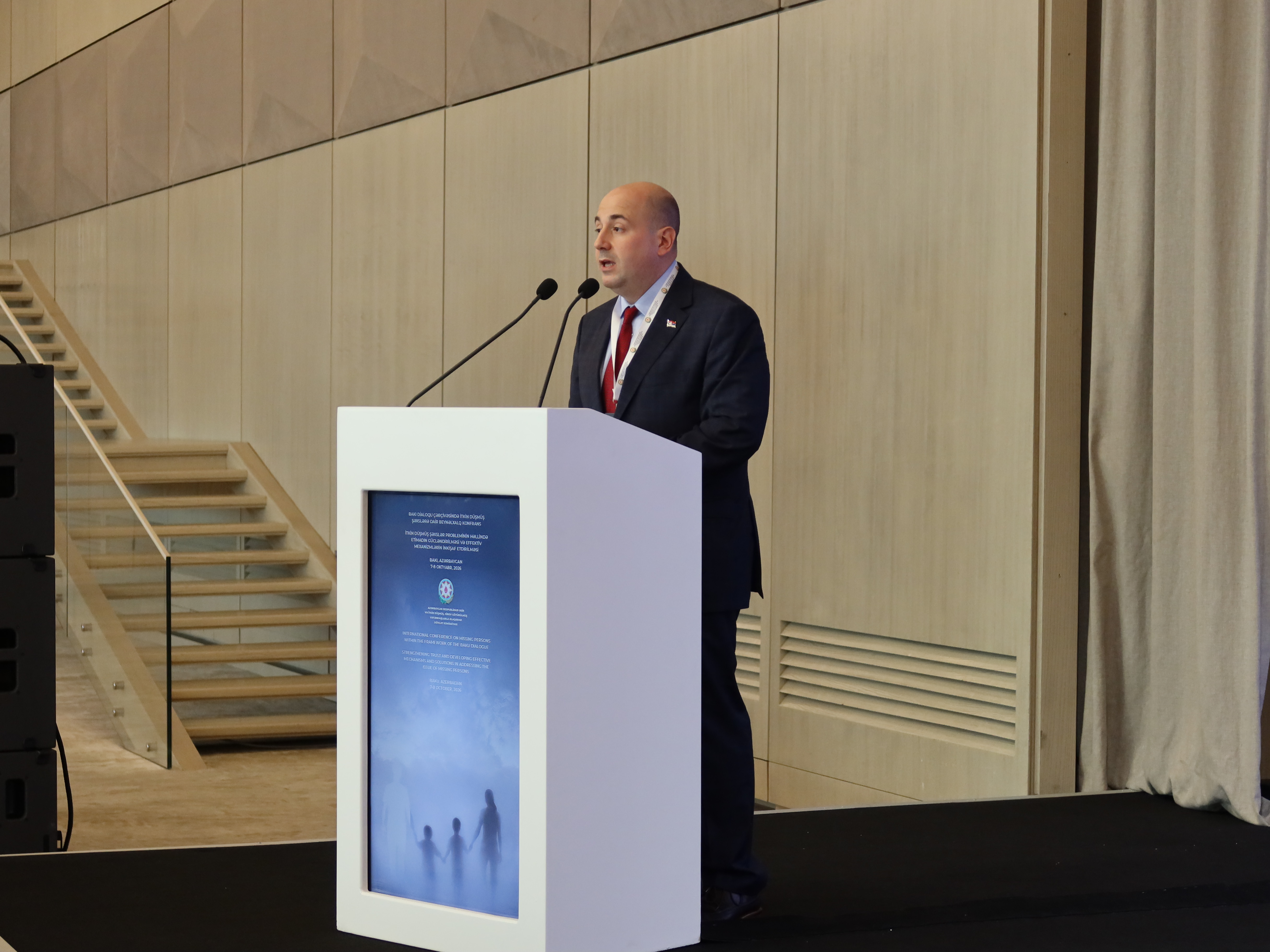
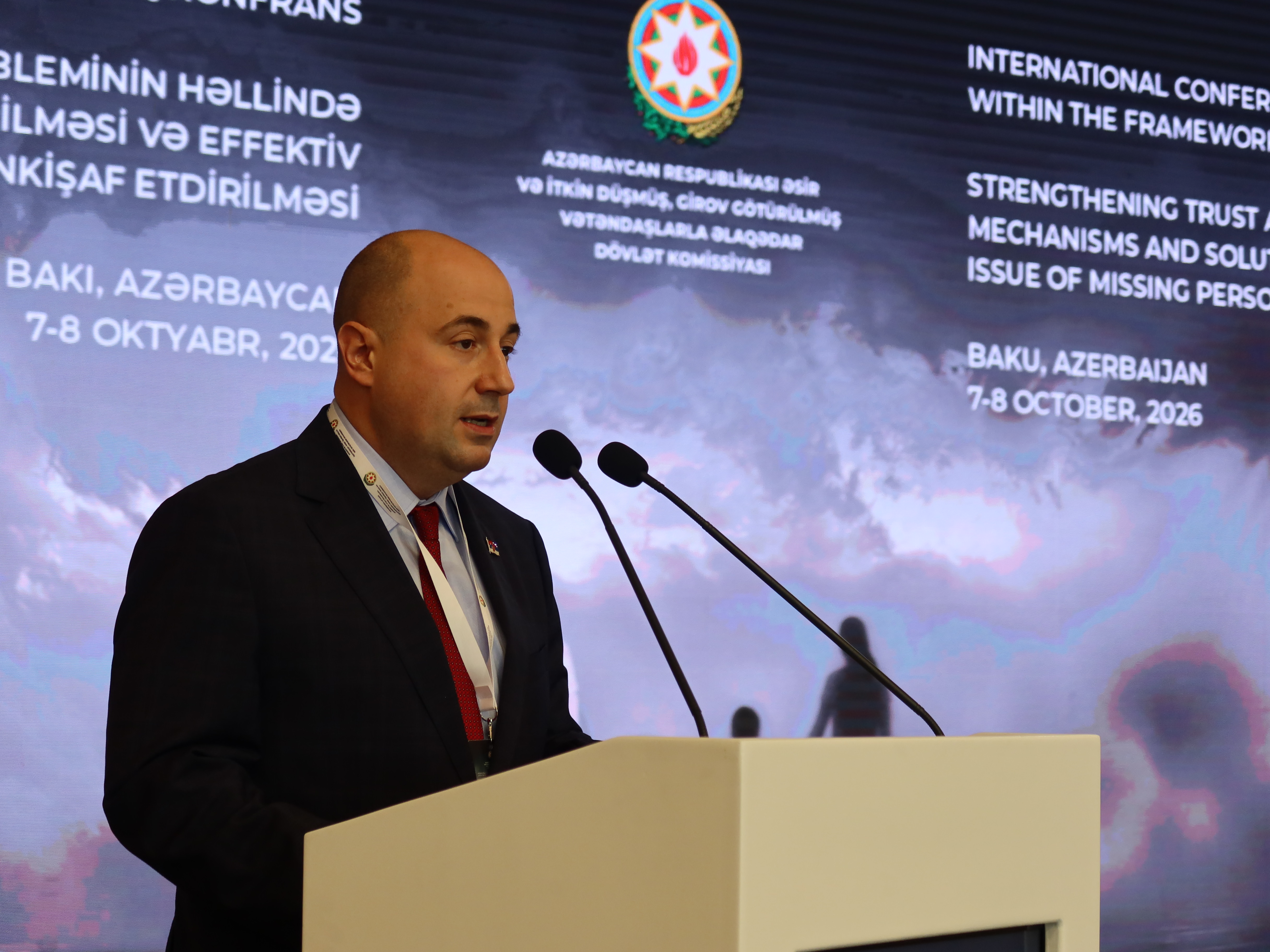
Kozarev emphasised that Serbia attaches great importance to resolving the issue of persons who went missing during the conflicts in the former Yugoslavia, above all for the sake of the families who have been waiting for decades for answers about the fate of their loved ones. He recalled that approximately 40,000 people went missing during these conflicts, while more than 9,500 people across the region are still listed as missing.
He stressed that determining the fate of missing persons is, first and foremost, a humanitarian and moral imperative, and that meaningful progress requires sustained cooperation among the competent institutions, international organisations, forensic experts and families of the missing.
As a concrete example of regional cooperation, Kozarev cited the Regional Database of Active Missing Persons Cases from the Armed Conflicts in the Former Yugoslavia, developed within the framework of the Berlin Process with the support of the International Commission on Missing Persons. He noted, however, that in recent years, what he described as the politicisation of the process had led to a standstill in cooperation with the Croatian authorities and the provisional institutions in Kosovo and Metohija, resulting in a negligible number of missing-person cases being resolved.
Speaking about the tragic experiences of the Serbian people, Kozarev recalled their suffering during the First and Second World Wars and the conflicts of the 1990s, when, he said, Serbs were subjected to grave crimes, persecution and ethnic cleansing.
“The darkest chapter of this suffering was written during the Second World War in the fascist Independent State of Croatia, where genocide was committed against our people at the Jasenovac concentration camp, with approximately 500,000 Serbs brutally exterminated by the Ustaše, while the total number of victims reached around 700,000,” Kozarev said.
He stated that more than 1,500 Serbs from the territory of present-day Croatia are still listed as missing, while more than 250,000 Serbs were, according to Kozarev, expelled from their homes during what he described as the criminal Operation Storm.
Kozarev further stated that a pattern aimed at eradicating the Serbian presence had also occurred across Bosnia and Herzegovina, including in Sarajevo, the Neretva Valley and parts of the Drina and Sava river regions, where, he said, numerous families continue to endure the anguish of not knowing the fate of their loved ones.
Turning to Kosovo and Metohija, Kozarev pointed to numerous cases involving the abduction and disappearance of Serbs and members of other non-Albanian communities, stressing that, more than two and a half decades after the conflict, the fate of all those still missing has yet to be clarified.
“Cases such as the horrific allegations of human organ trafficking associated with the ‘Yellow House’, in which the fate of the victims remains unresolved even after 28 years, stand as undeniable evidence of selective justice and double standards on the part of the international community,” Kozarev said, adding that, in his view, it was important to bear in mind that no member of the so-called Kosovo Liberation Army had been held accountable for these alleged crimes.
Kozarev emphasised that, under the leadership of President Aleksandar Vučić, Serbia remains committed to international and regional cooperation aimed at providing answers to the families of missing persons, as well as to the exchange and verification of information that could contribute to resolving the remaining cases. He concluded that clarifying the fate of the missing represents an important contribution to building trust, fostering reconciliation and securing lasting peace in the region.
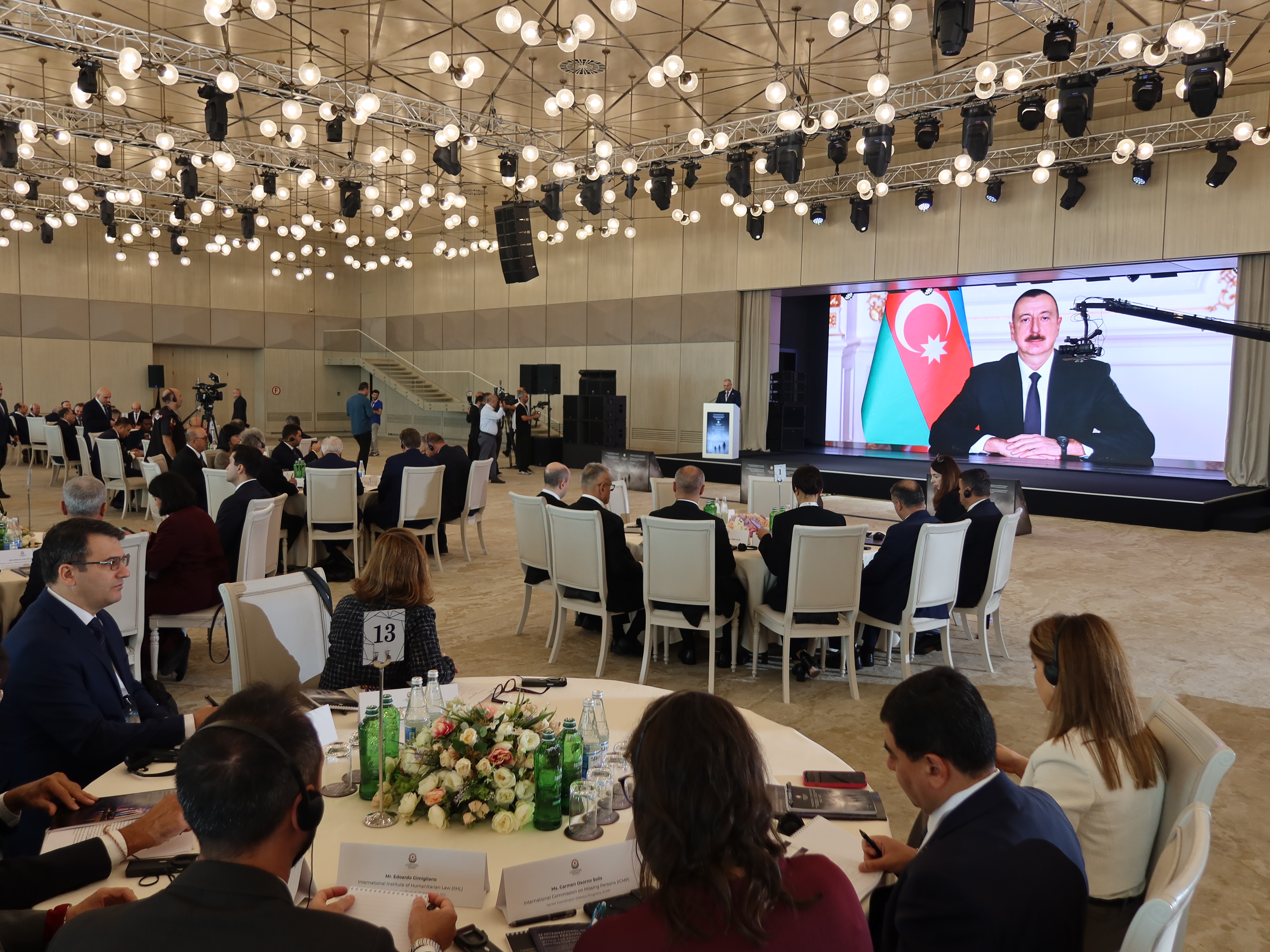
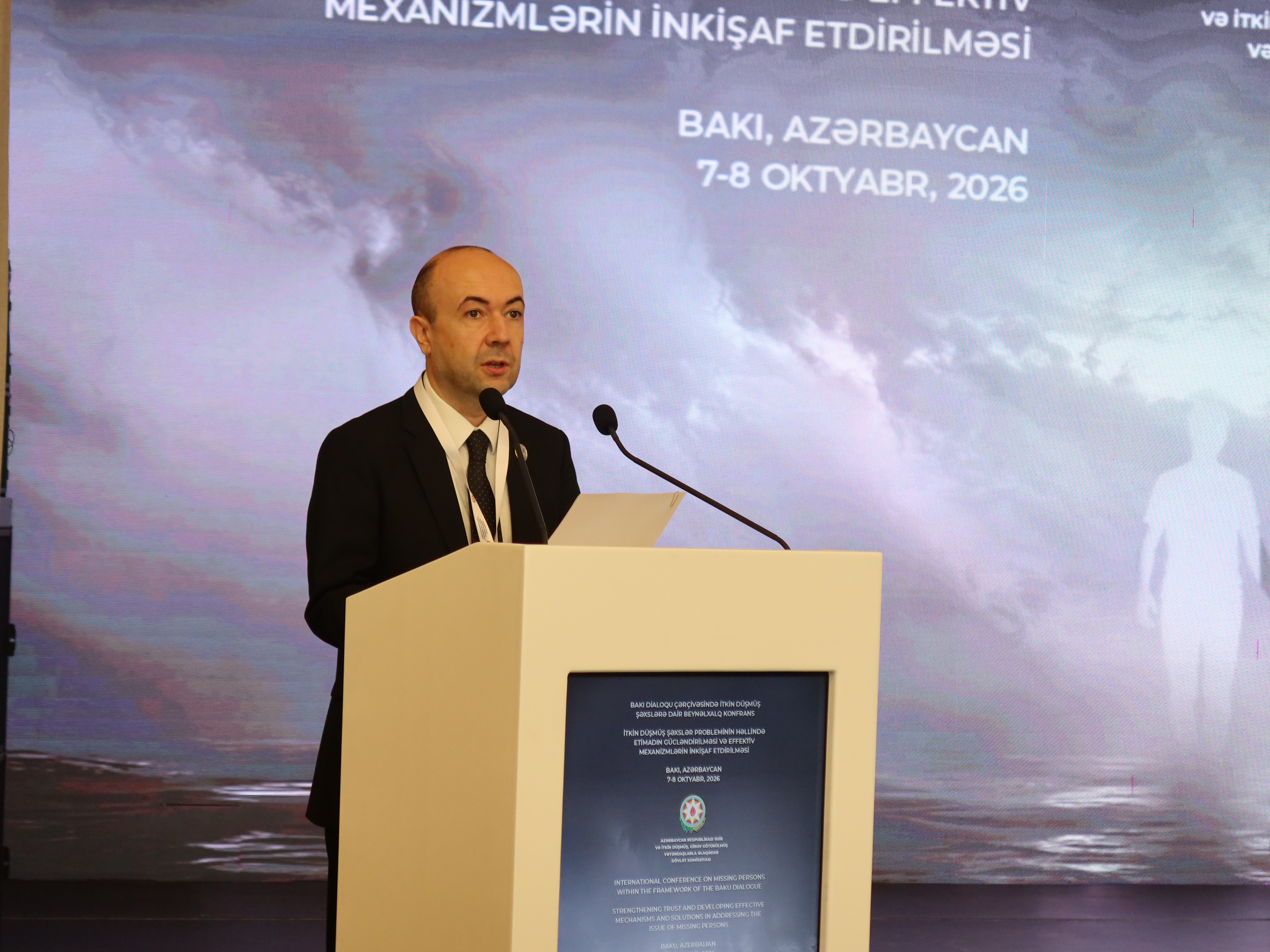
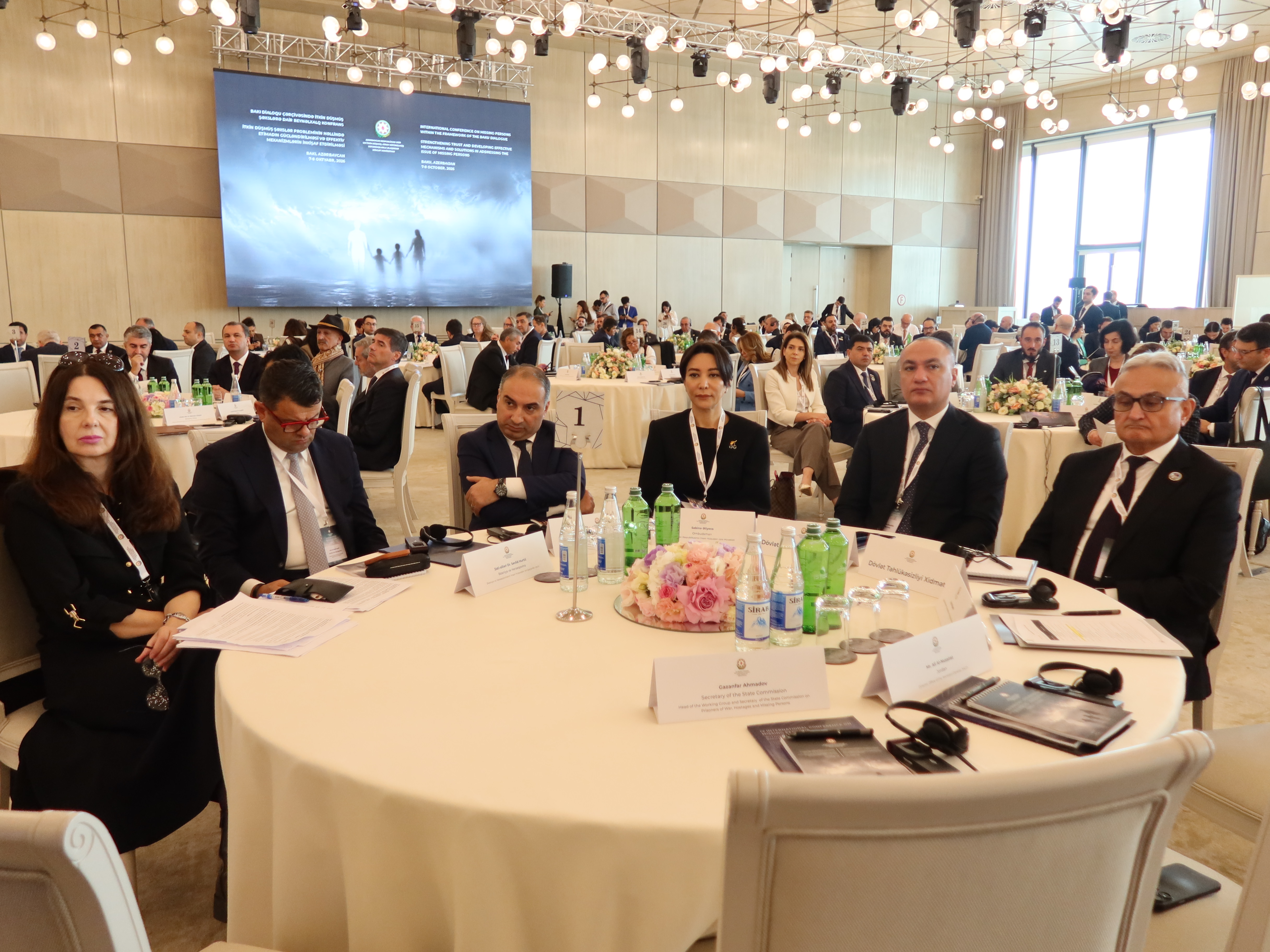
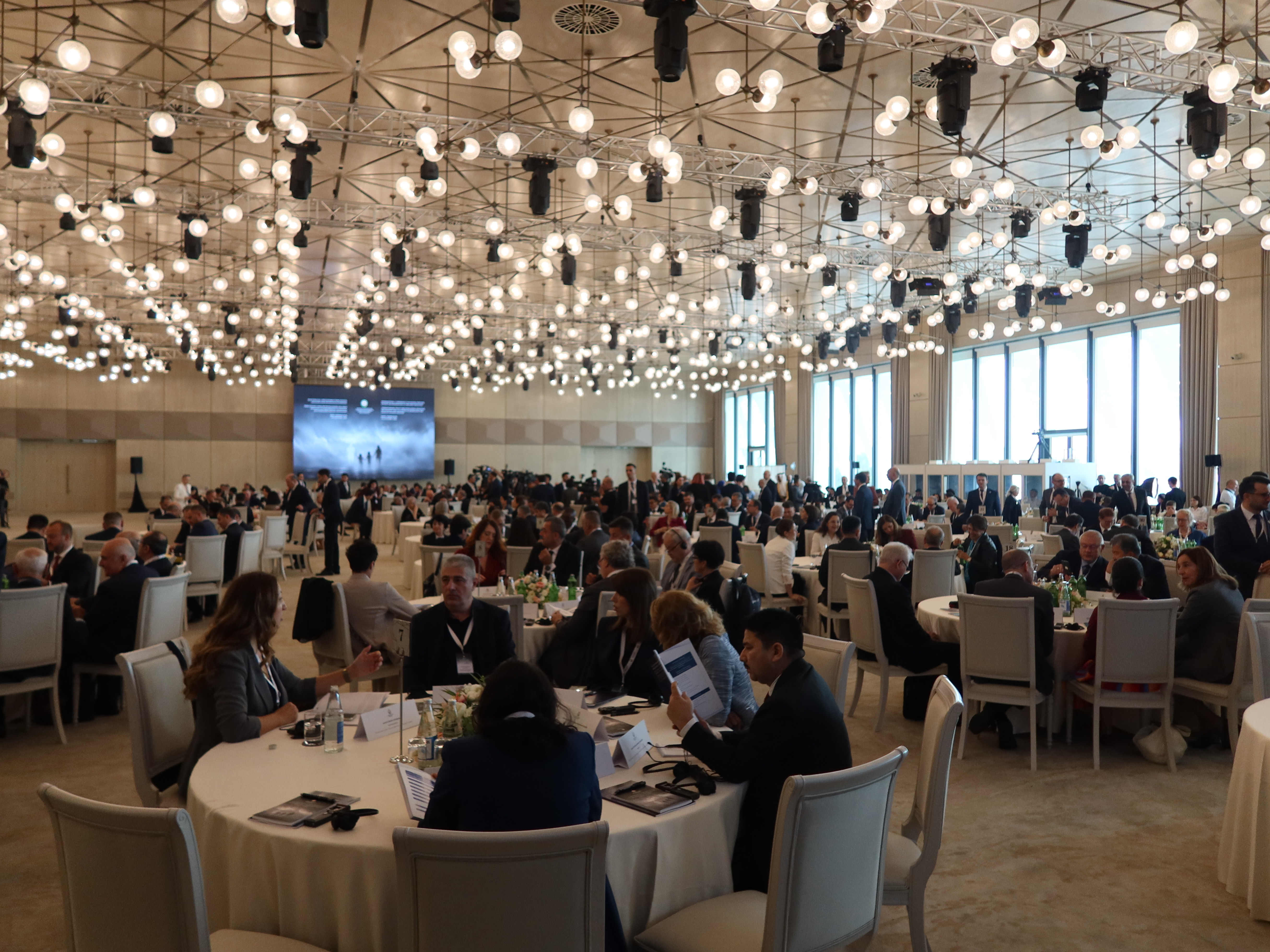
The conference was opened by President of the Republic of Azerbaijan Ilham Aliyev via video address, while Ali Naghiyev, Chairman of the State Commission of the Republic of Azerbaijan on Prisoners of War, Hostages and Missing Persons, also addressed participants at the official opening ceremony.
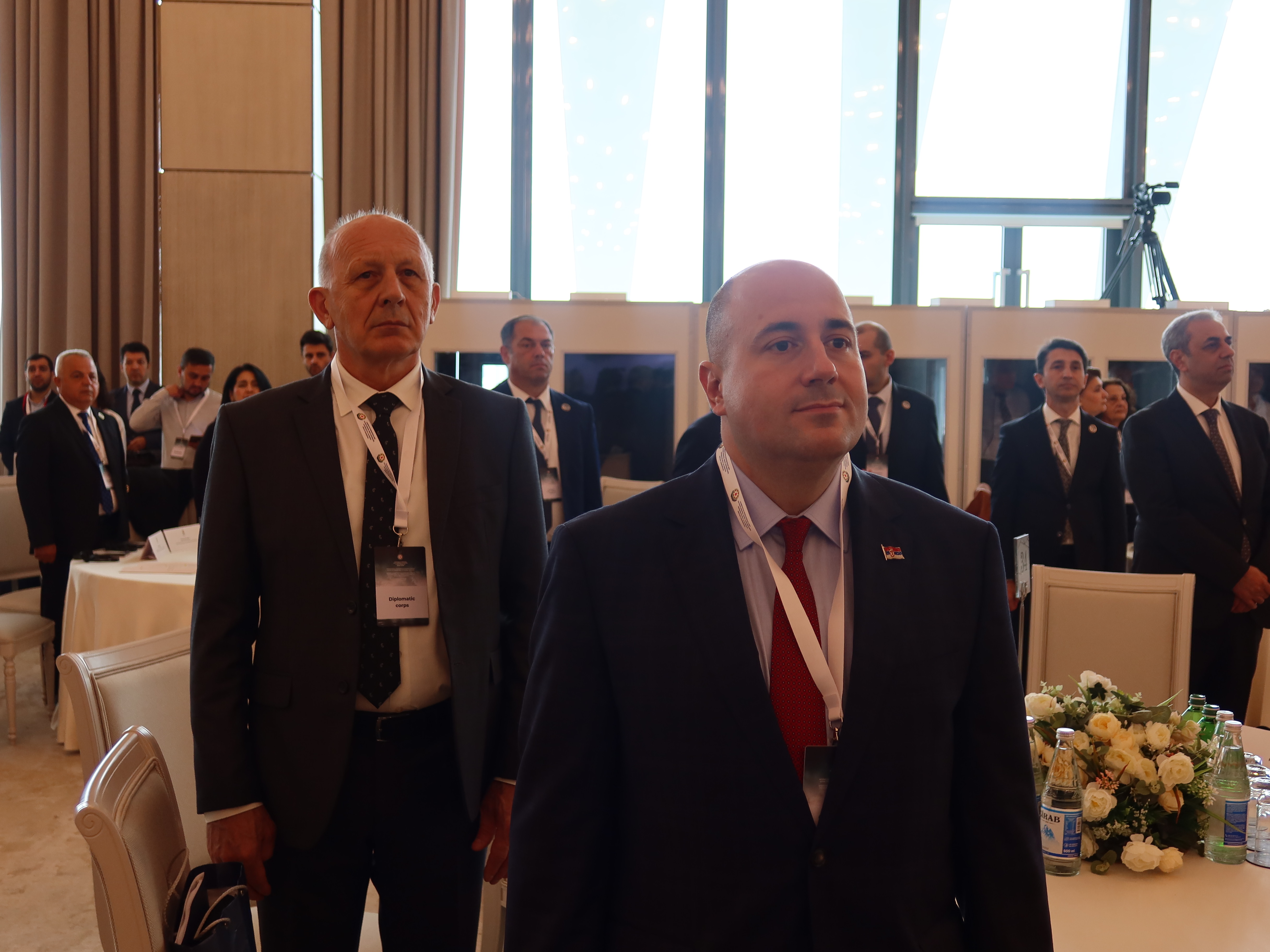
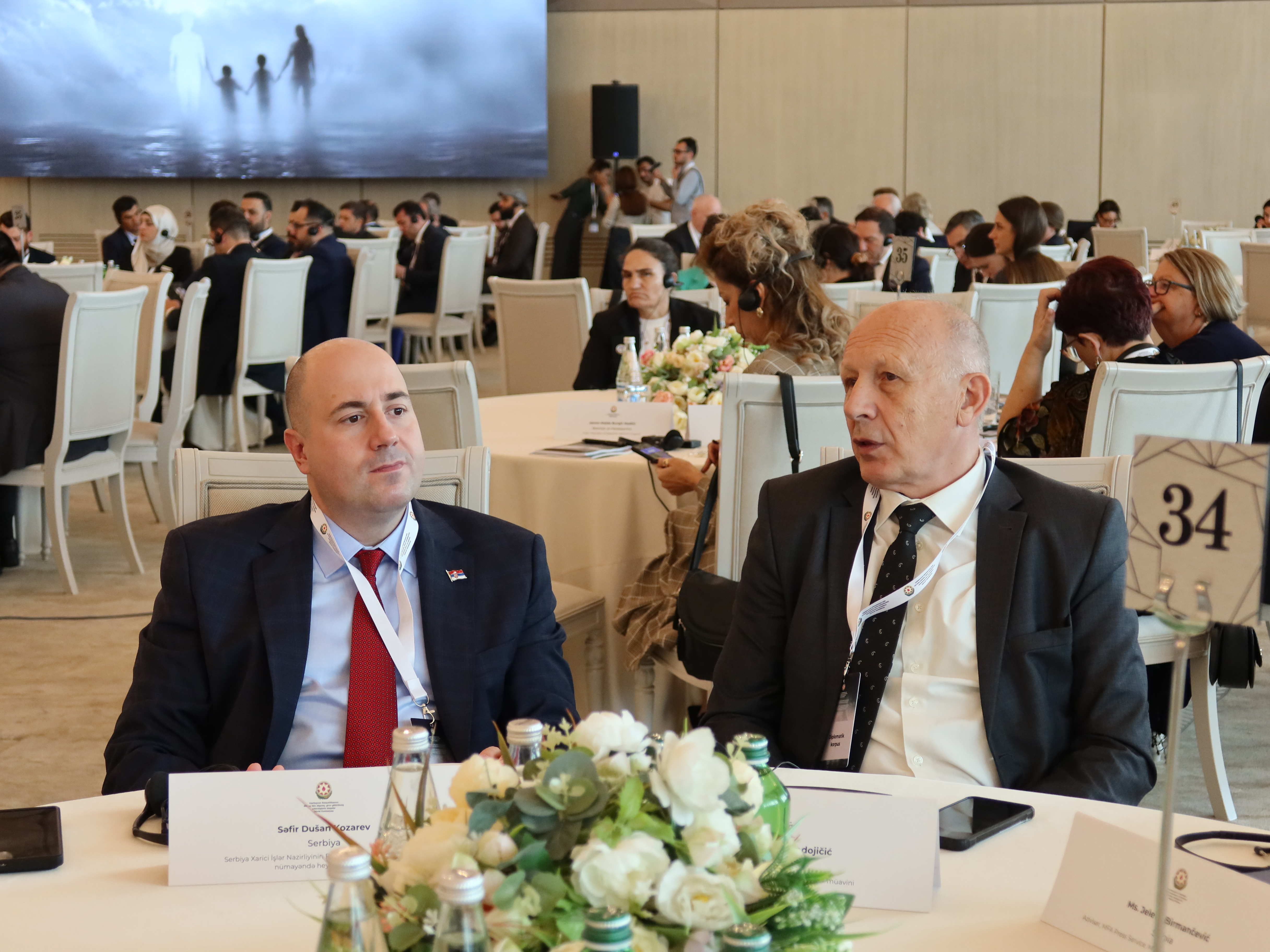
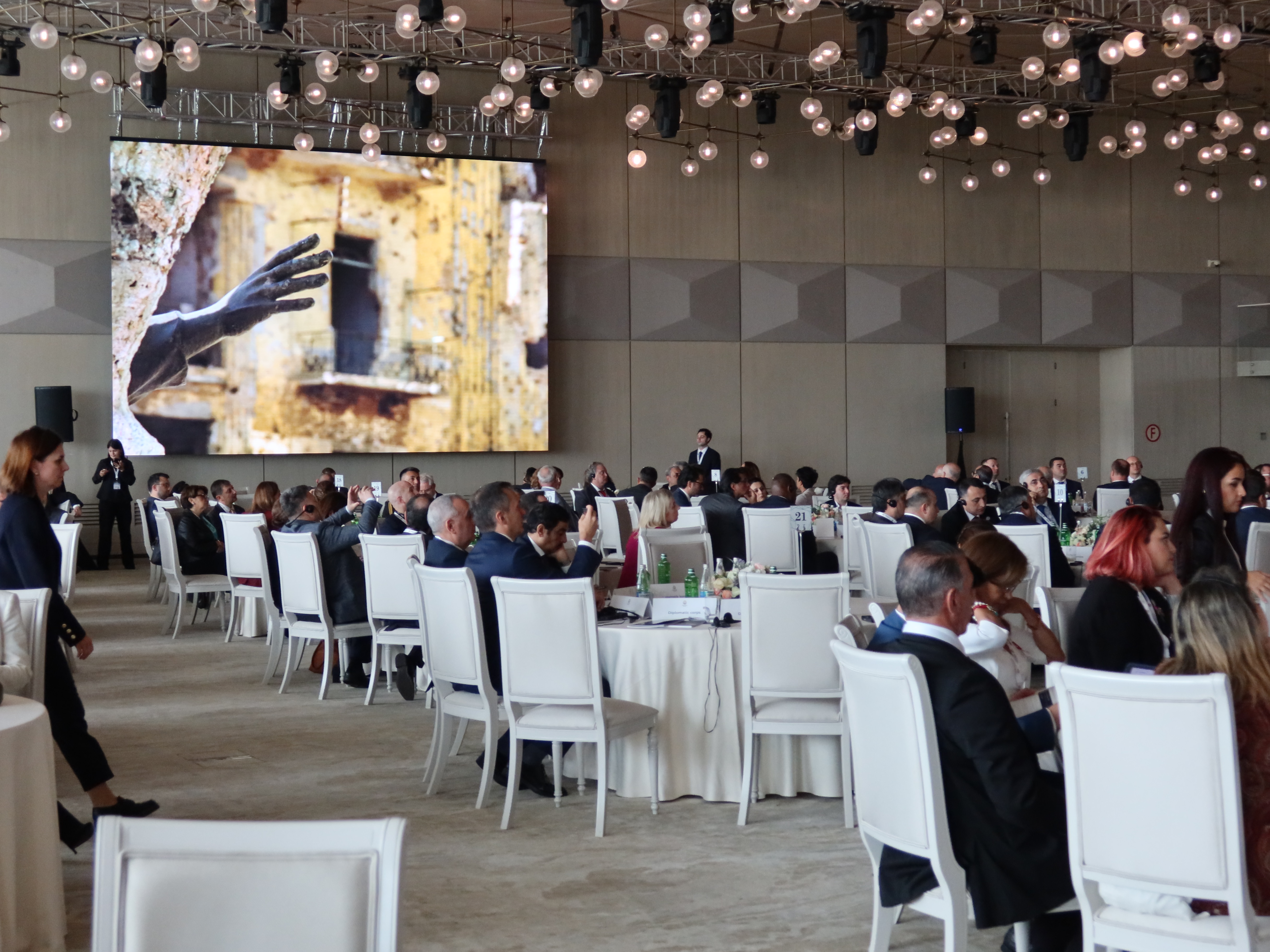
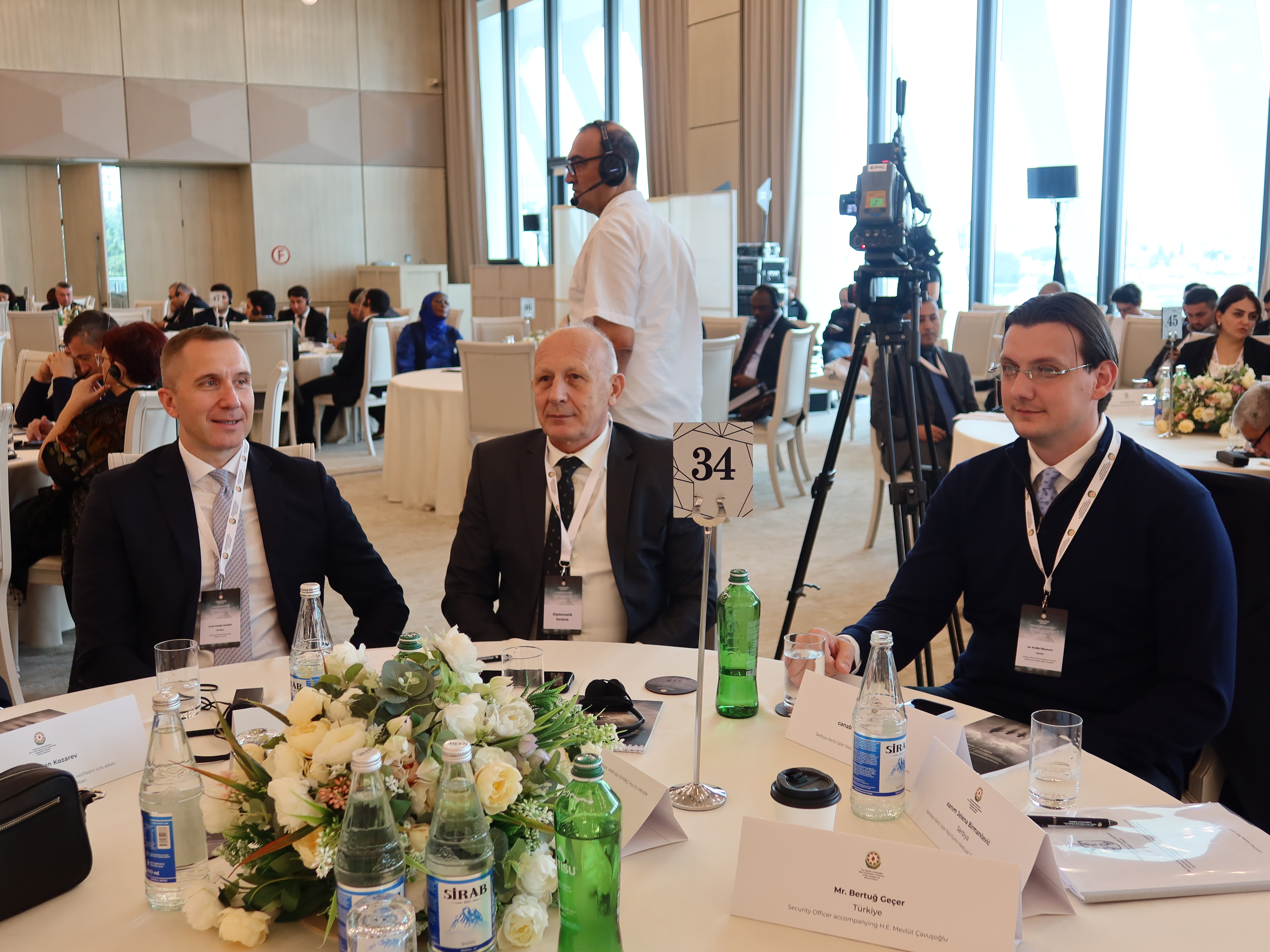
The event was also attended by representatives of the Commission on Missing Persons of the Government of the Republic of Serbia and the Association of Families of Kidnapped and Missing Persons “Suza”, as well as members of the Ministry of Foreign Affairs delegation, including Ambassador of Serbia to Azerbaijan Dragan Vladisavljević.